Removal of skin growths
Description
At Stoimenov Dermatology, we offer precise and safe removal of benign skin lesions using the innovative Plexr technology - a medical plasma generator that treats the skin without incisions, stitches or blood, and a CO2 laser.
What devices do we work with?
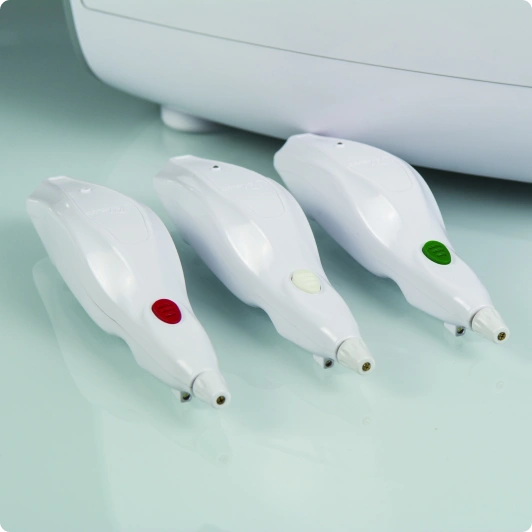
- Plexr (Plasma Exeresis) is a new generation device that creates a micro-electric arc, leading to controlled sublimation (evaporation) of the superficial skin layer. The procedure is non-invasive and gentle, with minimal recovery time.
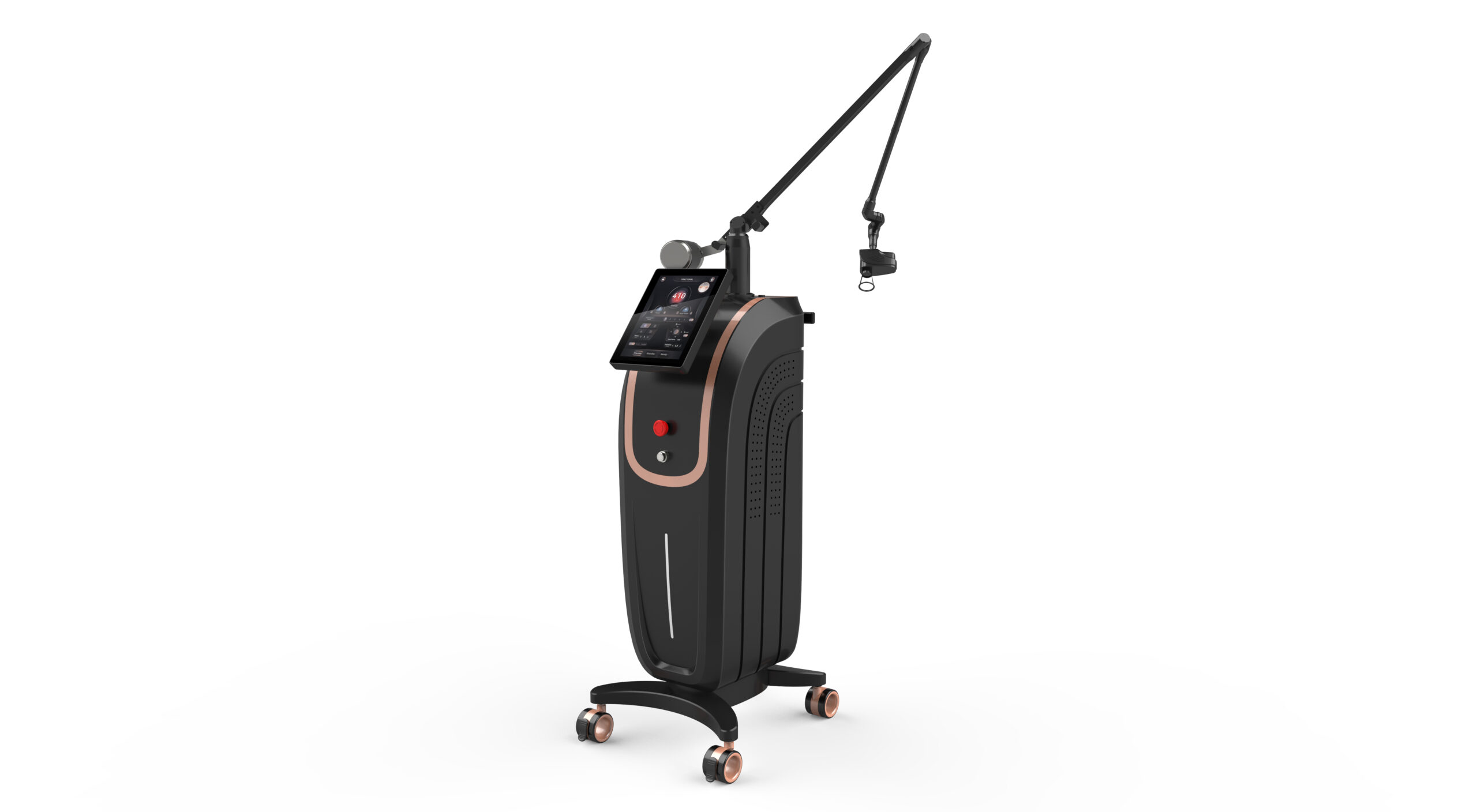
- CO2 laser – a surgical laser for quick and non-surgical removal of larger skin lesions.
What formations can we remove?
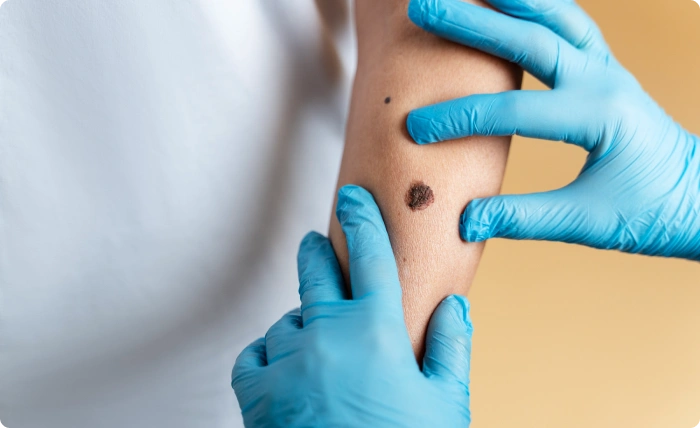
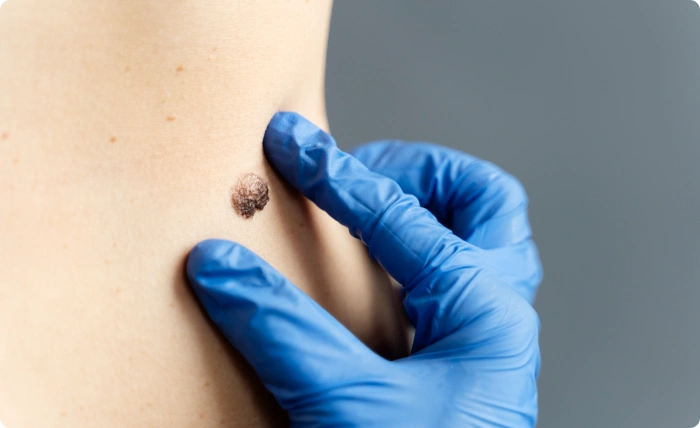
• Fibroids (soft warts)
• Seborrheic keratoses
• Xanthelasma (fatty deposits around the eyes)
• Vascular lesions (hemangiomas, telangiectasias)
• Viral warts and skin tags
• Sebaceous gland hyperplasia and other benign lesions
How does the procedure work?
1. Dermatological evaluation of the lesion and, if necessary, dermatoscopic examination
2. Anesthesia with local anesthetic cream or injection
3. Working with Plexr and CO2 laser – precise vaporization of tissue without incision or blood
4. Formation of a small crust that falls off within 5–7 days
Advantages of the method

Without surgery
Minimal trauma to the surrounding skin
Short recovery period
Precision even in delicate areas such as eyelids and face
Excellent aesthetic result with minimal risk of scarring

Small crusts that fall off in 5–7 days. The area fully recovers within 10–14 days, but the skin should be protected from the sun for at least a month with daily use of SPF 50+.
It feels like slight pricks. If necessary, we use a pain-relieving cream.
Recovery and care after the procedure
After the procedure, a thin crust forms, which falls off within 5–7 days. During this period, it is important to:
• Do not remove the crust mechanically.
• Avoid sun and use SPF 50+
• Apply a prescribed soothing and antiseptic product
Is the procedure suitable for everyone?
Plexr and CO2 laser are suitable for most patients, but are not used for:
• Active infections in the area
• Highly photosensitive skin
• Tendency to hypertrophic scars or keloids (at discretion)
A preliminary consultation and dermatological assessment is always performed.