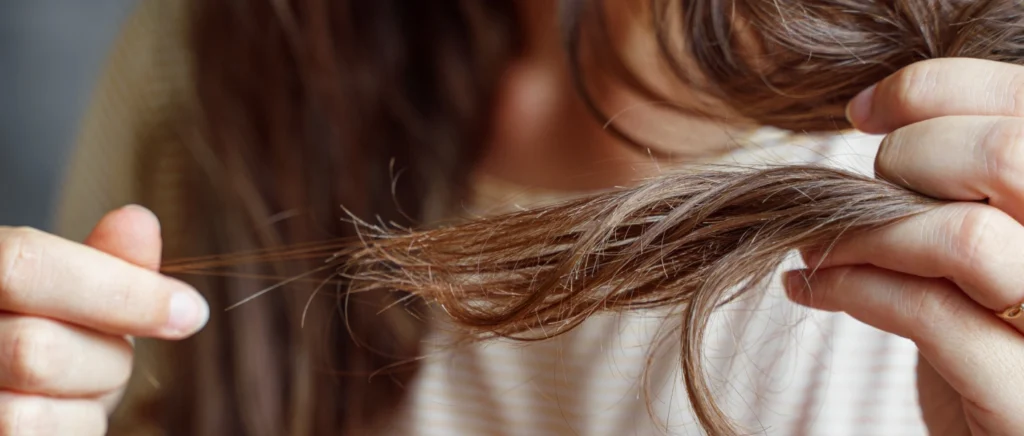
My approach to hair loss
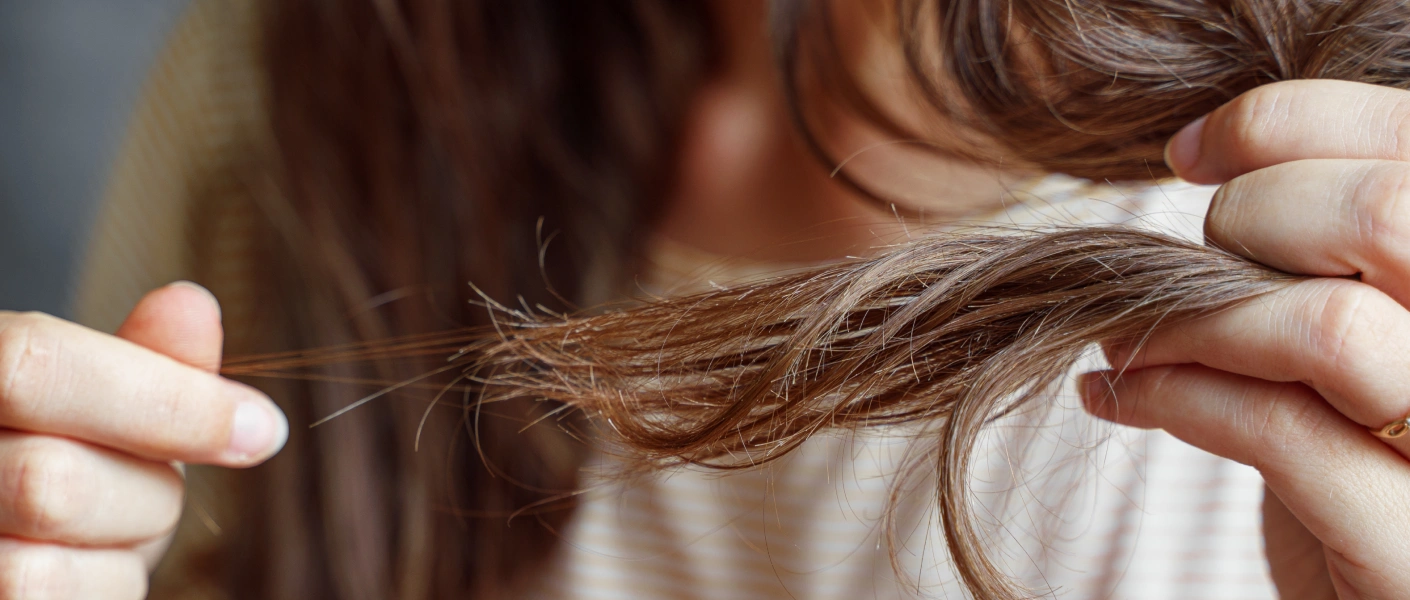
Androgenic alopecia, also known as „hormonal hair loss,“ is the most common form of hair loss in both men and women. It is caused by a genetic predisposition and sensitivity of hair follicles to the hormone dihydrotestosterone (DHT). Over time, hair begins to thin, the hairline shifts, and density visibly decreases.
In my practice, I often see how this problem affects not only appearance, but also self-esteem. The good news is that we have modern therapies that can slow down the process and stimulate the growth of new hair. The bad news is that the market is flooded with advertisements for miracle shampoos, ointments and ampoules for which there is little or no evidence that they work. Thus, patients are misled and waste valuable time using the wrong products.
How does hormonal hair loss occur?
In men, it usually begins with a receding forehead line or thinning in the crown area.
In women, hair loss is often diffuse – the hair thins evenly, with the central part of the scalp being most affected.
The process is progressive – if no measures are taken, hair becomes thinner over time.
Modern treatment methods
1. Drug treatment
The best-studied and primary approach to androgenetic alopecia. It includes topical and systemic medications that reduce the effect of DHT on the hair follicle. They are effective, but must be taken under medical supervision and for a long period of time.
2. Mesotherapy
Injection of cocktails of vitamins, amino acids and peptides directly into the scalp. The aim is to improve microcirculation and nourish the hair follicle. It is suitable for maintenance therapy.
3. PRP (platelet-rich plasma)
We use the patient's own plasma, concentrated in growth factors. It stimulates the cells around the follicle and prolongs the active growth phase of the hair.
4. Exosomes
One of the most innovative therapies at the moment. Exosomes are microscopic vesicles that carry biologically active molecules. Applied to the scalp, they stimulate follicle regeneration and activate new growth. I see very good results, especially in combination with other methods.
Why do I combine therapies?
My experience shows that there is rarely a "one" universal therapy for hormonal hair loss. The best results are achieved when we combine medication with mesotherapy, PRP or exosomes. This way we simultaneously stop the process and stimulate new growth.
More from the blog

Natural results in aesthetic medicine – is it possible?
Very often, when I first talk to a patient, I hear the question: “Will I look fake?” …
Microneedling – why I recommend it to my patients
In my practice, I often look for methods that give real results, but are gentle on the skin and look natural.

5 tips for teenagers with acne
Acne is the most common problem that teenagers and their parents come to me with. I know how unpleasant it can be…